What is Lure Coursing?
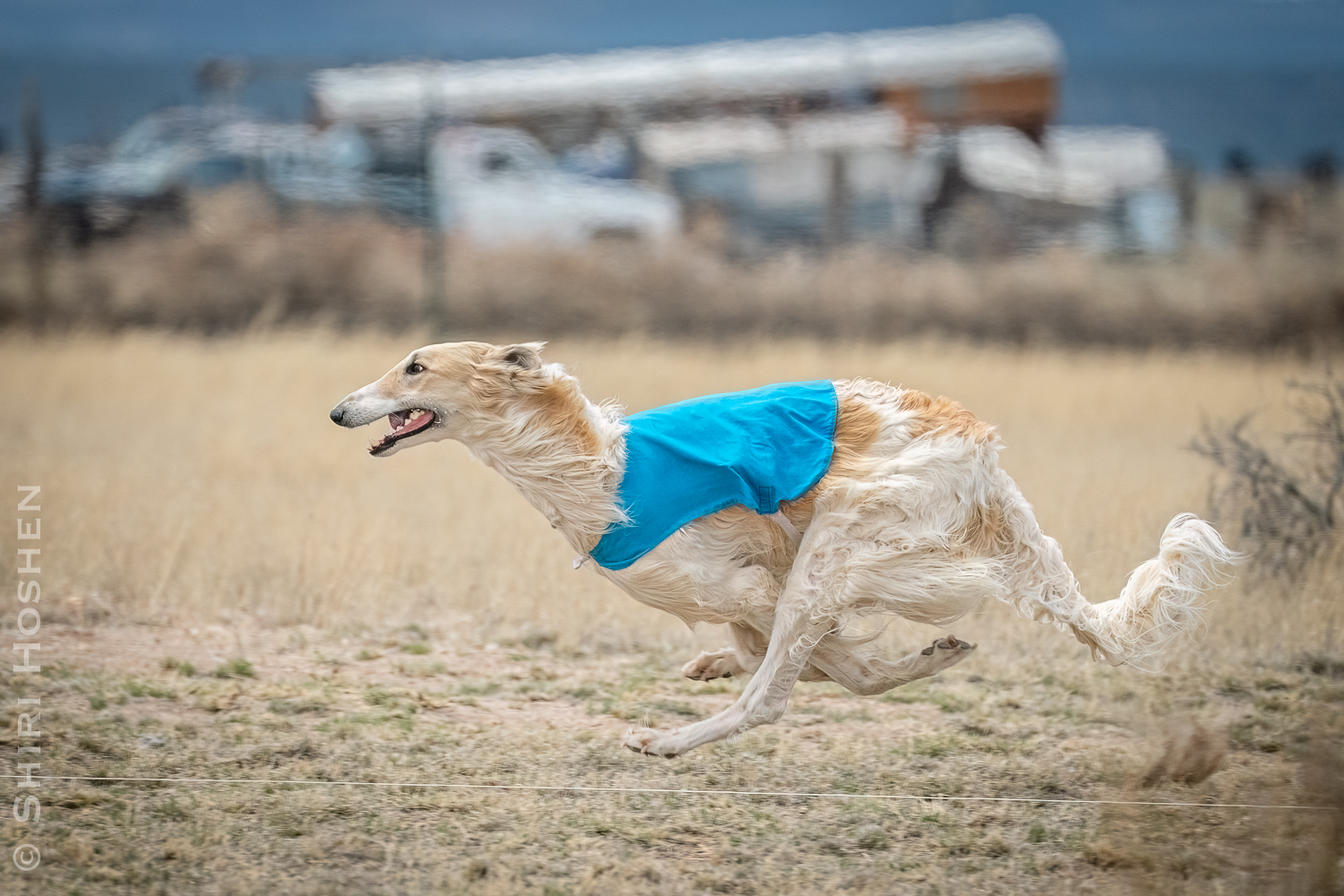
Lure coursing is a fast-paced, exciting performance event developed to evaluate the coursing skills of sighthounds. Dogs chase a mechanized lure (usually white plastic bags) over a simulated course designed to mimic the path of fleeing prey like a jackrabbit.
Courses are typically between 600 and 1,000 yards long, featuring straightaways, sweeping corners, and challenging turns. It's an incredible display of speed, agility, and pure joy!
Is my dog eligible?
- Purebred Sighthounds: Must be registered with AKC, FCI, UKC, or PAL/ILP. See eligible breeds.
- Other Breeds & Mixes: Eligible for the Lure Chasing Instinct (LCI) program!
- Age: Must be at least 12 months old on the day of the trial.
First Steps: Hound Certification
Before your purebred sighthound can compete for ASFA points and titles in an official trial, they must earn a Hound Certification (HC). This proves your dog can run safely with another hound without interfering. (Note: LCI dogs do not require an HC, as they run individually).
Run with a "Testing Hound"
Your dog will run the course alongside a hound of the same breed (or similar running style) that is already experienced.
Get the Signature
An ASFA Judge will observe. If your dog runs cleanly and focuses only on the lure, the judge will sign your HC Form.
Download HC FormTrial Day: What to Expect & Bring
Lure coursing trials are usually held in large open fields or parks. Be prepared to spend most of the day outdoors, regardless of the weather. When you arrive, you will check in with the Field Trial Secretary (FTS) and your dog will be inspected for lameness or being in season.
Remember: Never let your dog loose near the coursing field unless it is their official turn to run!
Find a Trial Near YouChecklist
- Your dog's Registration Papers (AKC, UKC, etc.)
- A Slip Lead (mandatory for releasing your hound at the line)
- Plenty of fresh water and a bowl
- Shade (Pop-up tent or umbrella) and chairs
- Snacks and lunch for yourself
- Weather-appropriate clothing and comfortable walking shoes
A Deeper Dive into ASFA Trials
The Field & Equipment
At an ASFA trial, a continuous loop of braided string is positioned around a series of pulleys arranged in a course pattern in a large, open field. White plastic bags are tied to the string to simulate the erratic path of fleeing prey. A battery-powered motor, controlled by a highly skilled Lure Operator, pulls the string at speeds that keep the lure just ahead of the hounds, challenging their ability to follow and turn.
The Officials
It takes a dedicated team to run a successful trial. You will interact with several key officials:
- Field Trial Secretary (FTS): Processes your entries, manages the paperwork, takes your payment, and handles the "draw" (randomly selecting which dogs run together).
- Field Trial Chairman (FTC): Oversees the entire event, ensuring safety, smooth operation, and ASFA rule compliance.
- Huntmaster: Controls the start of each course. They line up the hounds, ask the owners "Are you ready?", instruct to "Stand your hounds," and finally shout "Tally-Ho!" to release the dogs.
- Lure Operator: Expertly controls the speed of the lure to ensure a safe, challenging, and fair run for all dogs.
- Judges: Two licensed ASFA officials who evaluate and score the hounds' performance from a vantage point in the field.
How Dogs Are Scored
Two judges score each course, and their scores are added together. A perfect score from one judge is 100 points, broken down into five categories:
The Stakes
Hounds compete in different "stakes" based on their experience and prior titles:
- Open: For ASFA-eligible sighthounds that have obtained a Hound Certification but have not yet earned an ASFA Field Champion (FCh) title.
- Field Champion: For hounds that have earned their ASFA FCh title (requiring 100 points and specific placements).
- Veteran: For hounds whose age exceeds the recognized veteran age for their breed (usually 7 years, but 6 for some breeds).
- Singles: For hounds that prefer to run alone or are still learning. They are scored but do not compete for Best in Field.
- LCI (Lure Chasing Instinct): A special program allowing non-sighthounds and mixed breeds to enjoy the sport and earn titles by running individually.
The Run
During competitive stakes, up to three hounds run together. To help judges distinguish them on the field, dogs wear brightly colored racing blankets: Yellow (Left position), Pink (Center position), and Blue (Right position).
Owners use a special "slip lead" to hold their dog at the starting line. This leash allows for a quick, clean, and simultaneous release of all dogs the precise moment the Huntmaster shouts "Tally-Ho!"
Ready to Learn More?
Dive deeper into the details of lure coursing with our comprehensive guide, or explore ASFA Running Rules and Field Procedures for Lure Field Trials.